
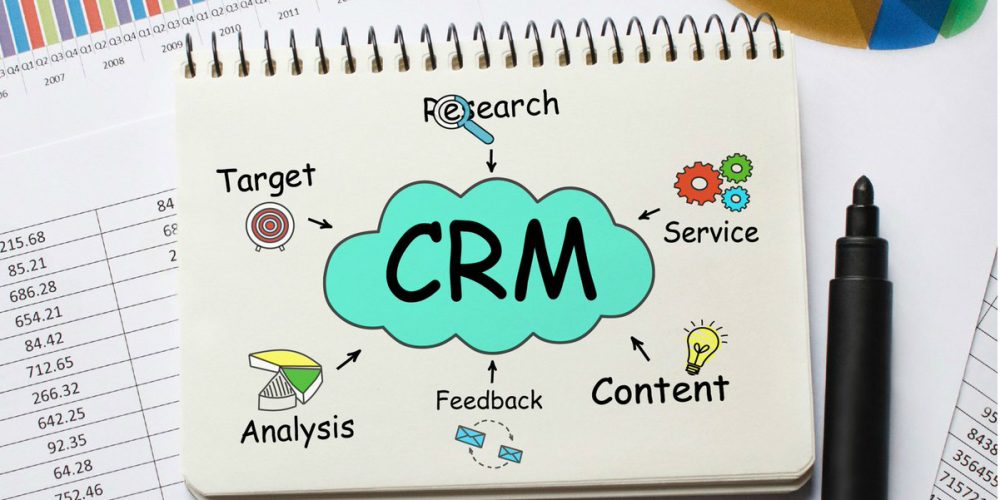
Logistics teams coordinate people, shipments, documents and exceptions across many channels. An AI-ready CRM can organize the commercial relationship around that operational reality—without pretending to replace the transport or warehouse systems that execute the work.
Updated August 14, 2026.
CRM, TMS and ERP have different jobs
A CRM manages prospects, customers, activities, opportunities and relationship history. A transportation management system manages transport planning and execution. An ERP manages wider financial and operational processes. Integrating them can reduce repeated entry, but forcing one platform to do everything creates fragile workflows.
Start by defining which system owns each data element. The CRM might own the commercial contact and opportunity, while the TMS owns shipment execution and the ERP owns invoicing.
Build a simple system-of-record map
Before introducing automation, document where every important fact is created, approved and updated. A practical ownership map can look like this:
- CRM: account, contact, opportunity, relationship notes, consent and next action
- TMS: shipment status, route, carrier, milestone and operational exception
- ERP: contract, invoice, payment status and approved financial terms
- Document system: signed agreements, customs documents and controlled versions
AI-generated summaries should identify their sources and must not silently replace authoritative operational or financial records.
Useful logistics CRM capabilities
- Account structures for shippers, consignees, carriers and partners
- Contact roles and communication preferences
- Opportunity stages aligned with quotation and onboarding
- Activity history across calls, email and meetings
- Service-lane, equipment or industry segmentation
- Clear ownership and escalation
- Integration with approved operational and financial data
- Mobile capture for field sales and events
Where AI can help
AI assistants can summarize a complex account history, prepare a seller for a meeting, draft a follow-up from verified notes, classify an incoming request and highlight pipeline patterns. In operational contexts, AI may also help explain trends or prioritize exceptions, but the workflow must identify the authoritative source and a human decision owner.
Do not let generated text invent prices, transit commitments, customs advice or service availability. Pull these facts from approved systems and require review before communicating them to a customer.
Capture leads at logistics events
- Scan the business card and verify identity fields.
- Record the person’s role in the shipping or procurement process.
- Add relevant lanes, cargo type or service interest only when discussed.
- Attach event source and campaign.
- Assign the correct regional or service owner.
- Create the promised follow-up and due date.
- Check for an existing global account before creating a duplicate company.
Choose a CRM by process, not fashion
Map a representative journey from first contact to qualified opportunity, quotation, onboarding and account development. Test the CRM with users from sales, operations and management. Evaluate mobile usability, integration effort, permission controls and reporting before comparing AI demonstrations.
A 90-day implementation outline
Days 1–30: define objects, ownership, stages and system boundaries. Days 31–60: configure integrations, mobile capture, duplicate rules and dashboards. Days 61–90: pilot one AI use case, such as account summaries or meeting preparation, with human review and measurable success criteria.
Measure the pilot before scaling
Compare the pilot with a clear baseline. Useful measures include time from enquiry to assigned owner, percentage of records with a dated next action, duplicate rate, follow-up completion, time spent preparing account summaries and the number of AI drafts corrected before use. These measures reveal whether the workflow is improving—not merely whether a new feature is being used.
MobileWorks supports the capture layer with Business Card Reader and Call Tracker products. A logistics-specific workflow can begin with rapid app prototyping. Organizations evaluating a tailored mobile process can send the project context to MobileWorks for a structured discussion.
Frequently asked questions
Can a CRM replace a TMS?
Usually no. They solve different primary problems. Integration is generally safer than stretching the CRM into operational execution.
What is the best first AI use case?
Account or opportunity summarization is often easier to review than autonomous action. Start with a task where the source data and success measure are clear.
What data should never be guessed?
Rates, legal obligations, delivery commitments, customs requirements and customer consent should come from verified sources and accountable people.